
China Fridge Factory B2B Wholesale
The Chinese Refrigerator manufacturing industry has grown exponentially over the past few decades, establishing itself as a pivotal player in the global market. With its vast array of factories specializing in refrigeration technology, China serves as a significant hub for B2B wholesale transactions.
| Item | Specification |
| Product Name | Refrigerator |
| Brand Name | SONGPENG |
| Place of Origin | Guangdong, China |
| Application | Household |
| Number Of Doors | 2 |
| Capacity | 500 - 599 L |
| Cooling Method | AIR COOLING |
| Refrigeration Type | Adsorption |
| Defrost Type | Frost-Free |
| Warranty | 1 Year |
| Energy Efficiency Rating | Grade 1 |
| After-sales Service Provided | Free Spare Parts |
| Control Type | Electronic Control |
| Material | Plastic |
| Power Source | Electric |
| Operating Language | English |
| App-controlled | No |
| Private Mold | No |
| Packaging Types | Corrugated Box |
Manufacturing Capabilities
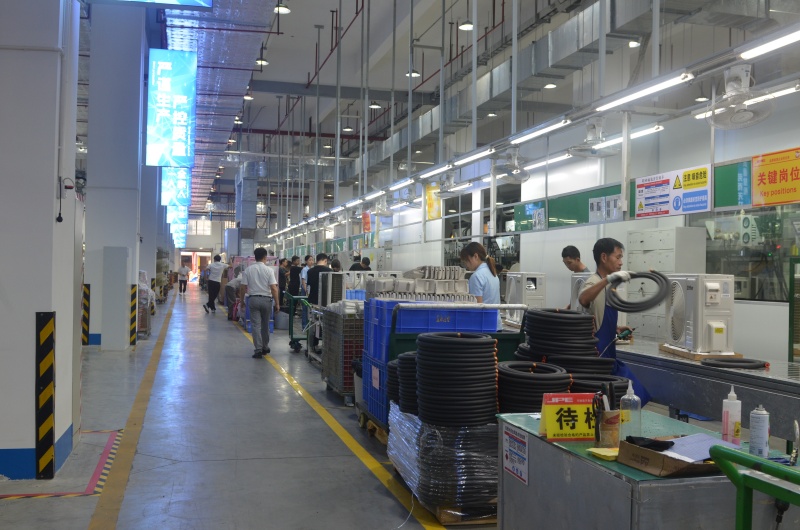
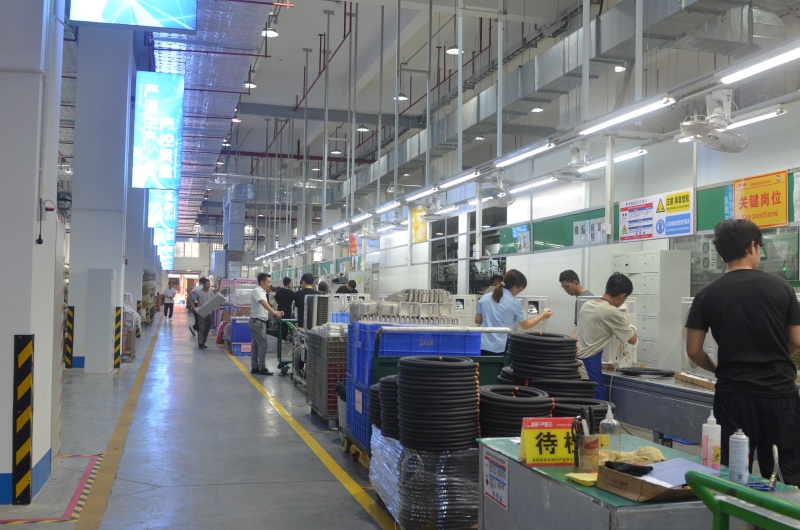
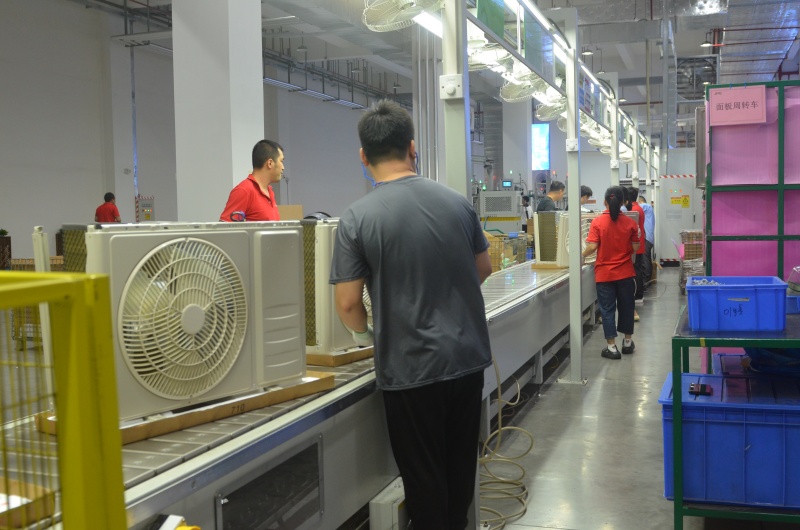
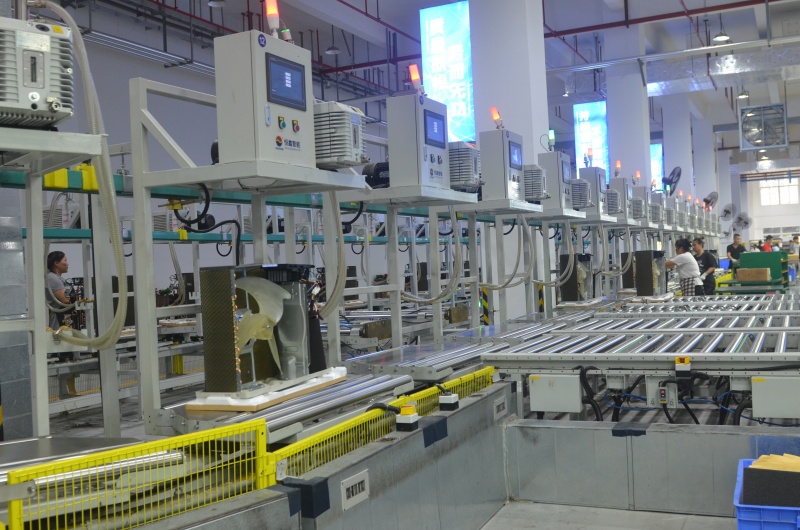
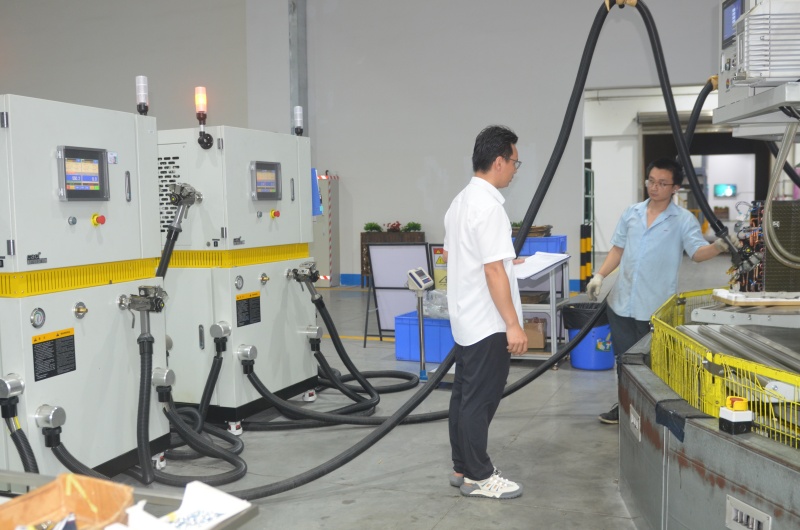
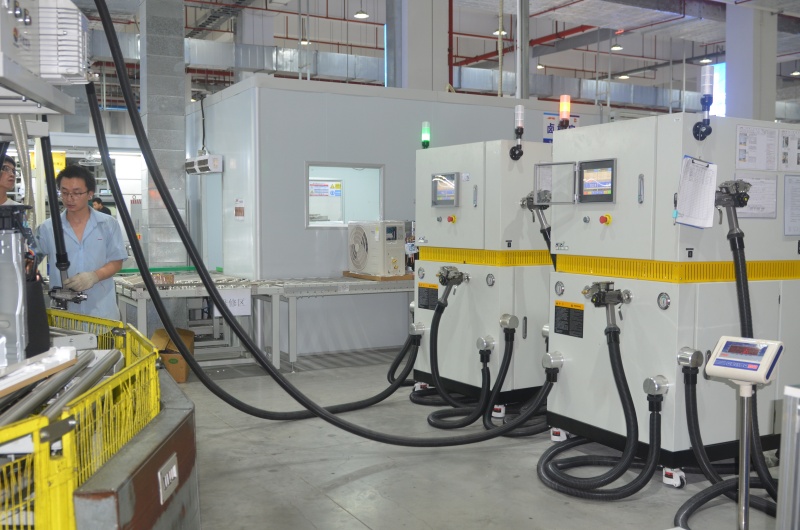
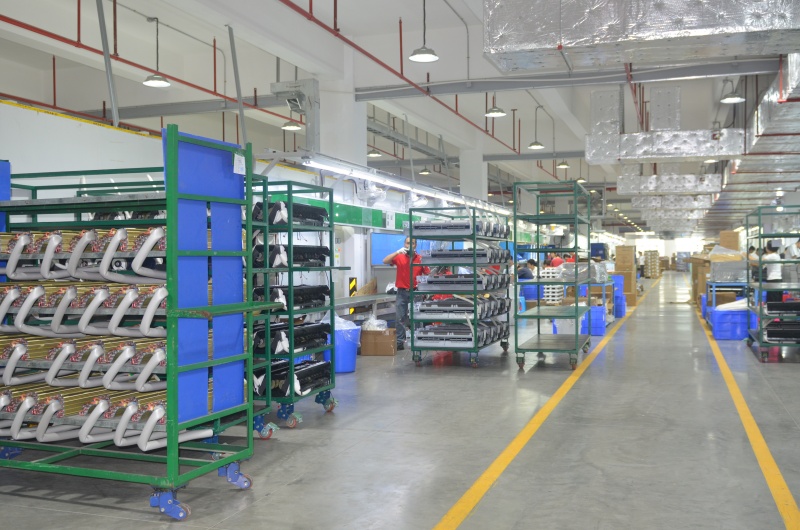
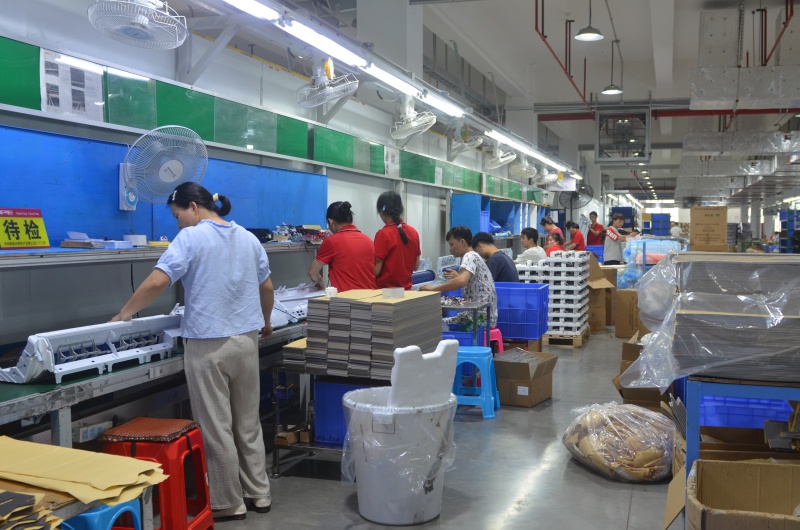
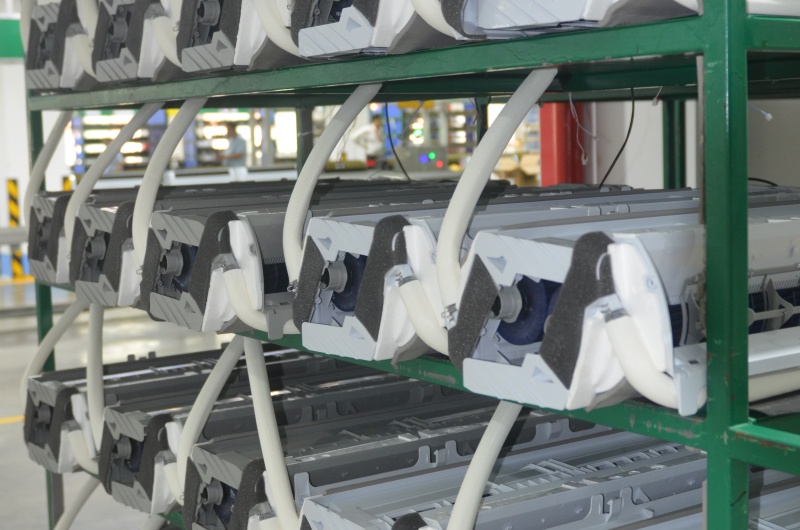
Chinese fridge factories are known for their advanced manufacturing capabilities, often integrating state-of-the-art technology in production processes. Many factories employ automated systems and robotics to enhance efficiency and precision, resulting in high-quality refrigerators that meet international standards. The ability to scale production quickly allows these manufacturers to cater to diverse business needs, from small enterprises to large retail chains.
Product Variety
One of the key advantages of sourcing refrigerators from China is the extensive variety available. Factories produce a wide range of models, including:
- Top-Freezer refrigerators
- Bottom-Freezer refrigerators
- Side-by-side refrigerators
- Mini fridges
- Wine coolers
This diversity enables B2B buyers to find products that align with specific customer preferences and market demands.
Cost-Effectiveness
Cost efficiency remains a prominent factor driving B2B purchases from China. The lower labor costs combined with economies of scale often result in competitive pricing for wholesalers. This affordability can significantly influence retail pricing strategies and ultimately enhance profit margins for businesses engaging in the wholesale of refrigerators.
Quality Assurance Practices
Despite concerns regarding product quality in some sectors, many Chinese refrigerator manufacturers prioritize quality assurance. Rigorous testing and adherence to international safety standards such as ISO certification ensure that products are reliable and safe for consumer use. Moreover, numerous suppliers offer warranties, further reassuring buyers about the durability of the products.
Logistics and Supply Chain Management
Efficient logistics and supply chain management play a crucial role in the success of importing refrigerators from China. Many factories have established partnerships with shipping companies, ensuring timely delivery and reducing lead times. Buyers should consider the full supply chain when negotiating terms, including shipping costs, incoterms, and delivery timelines, to avoid unexpected issues.
Customization Options
Another notable aspect of working with Chinese fridge factories is the availability of customization options. Many manufacturers are willing to work closely with B2B clients to design refrigerators that fit specific branding or functionality requirements. From color choices to energy efficiency features, the flexibility offered by these factories allows businesses to differentiate their offerings in a competitive market.
Challenges in B2B Transactions
While there are substantial benefits to sourcing refrigerators from China, potential challenges exist. Language barriers and cultural differences may complicate negotiations and communication. Additionally, varying quality control practices among factories could lead to discrepancies in product output. Therefore, conducting thorough research and selecting reputable suppliers is essential for minimizing risks.
Conclusion
Engaging with China fridge factories for B2B wholesale presents numerous opportunities and challenges. By understanding the manufacturing landscape, product offerings, and logistical considerations, businesses can make informed decisions that align with their strategic objectives. As the industry continues to evolve, staying abreast of trends and technological advancements will be vital for success in this dynamic marketplace.